



Strengthening tooth enamel at home is possible with the following tricks:
- Using fluoride toothpaste
- Reducing consumption of acidic and sugary foods
- Consuming dairy products and foods rich in calcium and phosphorus
- Using dental floss and fluoride mouthwash
- Chewing sugar-free gum (containing xylitol)
- Drinking plenty of water to increase saliva production
- Using toothpastes containing hydroxyapatite
- Avoiding carbonated and alcoholic beverages
- Consuming crisp fruits and vegetables like apples and carrots
- Avoiding brushing immediately after eating acidic foods
- Using coconut oil for Oil Pulling
- Regular visits to the dentist for check-ups and cleaning
Having healthy teeth is everyone’s desire, so we must strive for dental health and hygiene. Since dental treatment processes are relatively expensive and costly, the best way is to care for and strengthen tooth enamel to avoid toothaches and the need for expensive restorations and other procedures.
Although everyone wants healthy teeth, they might be a bit negligent in achieving this goal. If you also want healthy and beautiful teeth and want to avoid the relatively high costs of dentistry as much as possible, you should become familiar with ways to care for and strengthen tooth enamel.
For this reason, we asked the specialists at Dr. Bonianian Dental Clinic to provide a complete review of enamel care methods in this article. So, stay with us until the end of this article.
Why Should We Care for Our Tooth Enamel?
Tooth enamel is the hardest layer of the tooth, protecting the dentin and root. This thin but crucial layer has various functions. For example:
- Tooth enamel protects the root and dentin against the acid found in foods and drinks. This layer, with its protective function, also prevents tooth decay.
- Tooth enamel is very hard and can protect the tooth against wear and pressure from chewing.
- In addition to all these points, tooth enamel also gives teeth a white and shiny color, bringing a beautiful smile to you.
For this reason, you must take care of your tooth enamel with full attention and care. Because damaged tooth enamel means damage to the tooth root and nerves.
Causes of Tooth Enamel Damage
Tooth enamel doesn’t come with a lifetime guarantee! This part of the tooth can be damaged or even destroyed if problems arise. For example, various factors that can harm tooth enamel include the following:
- Acidic Foods and Drinks: Soda, fruit juice, sour fruits, and other acidic foods and drinks can destroy tooth enamel.
- Dental Plaque: Plaque is a sticky layer of bacteria that forms on teeth. The bacteria in plaque produce acid and can destroy tooth enamel.
- Dry Mouth: Chronic dry mouth can cause reduced saliva flow. Saliva naturally washes teeth and protects them against acid.
- Bad Habits and Behaviors: Constantly chewing hard objects like fingernails or pencils damages your tooth enamel. Unconscious bad habits like teeth grinding (bruxism) are also among the causes of enamel damage.
- Improper Whitening: Using homemade whiteners or even improperly performing cosmetic procedures like dental bleaching will damage your tooth enamel.
It’s best to know that damage to tooth enamel is irreversible. Therefore, caring for tooth enamel is a very important issue that must be done correctly and with great care.

What are the Ways to Strengthen Tooth Enamel?
Fortunately, you can prevent enamel wear and damage with a few simple changes in your habits and diet. But the question is, what are these changes, or what treatment methods exist for enamel care?
1. Avoid the Causes of Enamel Erosion
As we mentioned at the beginning, there are many reasons for tooth enamel wear and decay. Preventing and avoiding some of these causes is not difficult at all! For example:
Don’t drink soda, reduce its consumption, or rinse your mouth after drinking it. Or, as another example, try to choose a healthy, low-sugar, low-starch diet for yourself. This diet, in addition to maintaining your fitness, will also lead to maintaining the health of your teeth.
Medical conditions such as Gastroesophageal Reflux Disease (GERD), dry mouth, genetic conditions, low salivary flow, and digestive system problems can cause erosion of your teeth. So try to seek treatment for these types of problems as soon as possible.
Finally, it is better to know that self-medicating with some drugs will weaken tooth enamel. So, avoid taking medications without a doctor’s prescription or manipulating the therapeutic dosage of your medications.

2. Recognize the Symptoms of Enamel Erosion
Enamel erosion, also called tooth wear or acid erosion, is a common problem that can damage teeth over time. This condition occurs when the outer protective layer of the tooth (enamel) wears away due to various factors mentioned above.
Although enamel erosion may not show any symptoms in the early stages, various symptoms appear as the condition progresses. For example:
- Tooth Sensitivity: One of the first signs of enamel erosion is sensitivity to hot, cold, sweet, or sour foods and drinks.
- Tooth Pain: Tooth pain, especially when chewing, can be another symptom of enamel erosion.
- Tooth Surface Erosion: As enamel wears away, the tooth surface gradually becomes thinner and smoother.
- Yellowing Teeth: Loss of enamel reveals the underlying dentin, which is yellow, causing the teeth to appear yellow.
- Cracked or Chipped Teeth: Weakened enamel is more prone to cracking or chipping.
- Cavities: Enamel erosion makes teeth more susceptible to decay and increases the risk of developing cavities.
Identifying these factors sounds the alarm for potential damage to your teeth. However, it’s still not too late to prevent further enamel decay. You might be able to stop further damage by visiting a dentist and undergoing procedures like tooth restoration.
3. Brush with Fluoride Toothpaste
Fluoride can make teeth resistant to acid and may even reverse early decay. Brushing your teeth twice a day with fluoride toothpaste can help repair tooth enamel, whiten teeth, strengthen enamel, and prevent further loss.
You can find fluoride toothpaste in most pharmacies or grocery stores.
4. Gargle with Fluoride Mouthwash
If fluoride toothpastes are too strong for you, you can rinse your mouth with a fluoride mouthwash. This can help repair and strengthen tooth enamel or prevent further enamel erosion.
5. Ask Your Dentist to Recommend a Fluoride Treatment
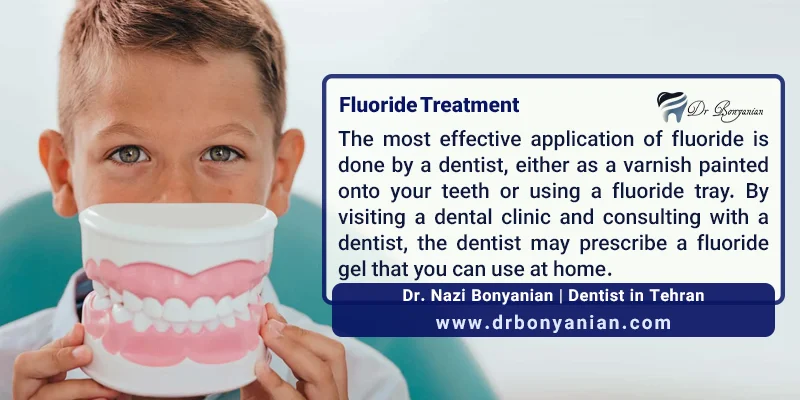
The most effective application of fluoride is done by a dentist, either as a varnish painted onto your teeth or using a fluoride tray. By visiting a dental clinic and consulting with a dentist, the dentist may prescribe a fluoride gel that you can use at home.
This gel can help protect your teeth against further enamel erosion, prevent cavity formation, strengthen enamel, and also contribute to overall oral health.
6. Remineralize Your Teeth Naturally
Add remineralization treatments to your oral hygiene routine. What is remineralization? Don’t worry! We will explain this process to you.
- Eating healthy fats, including butter and coconut oil, helps rebuild teeth structure and repair tooth enamel.
- Bone broth can also be another good option to consume.
- Taking Vitamin D and Calcium supplements also helps restore tooth enamel.
7. Consult Your Dentist About Restoration Options
If home remedies don’t help restore your tooth enamel, consult your dentist about other options. The dentist’s treatment recommendations depend on the level of erosion and the presence of cavities or issues with your teeth; however, solutions like removing decayed surfaces or tooth restoration are usually used to address this problem.
Read More: Benefits of Filling Teeth with Composite
8. Crown Your Tooth
A dental crown, placed over a damaged (or decaying) tooth, prevents the progression of decay and weakening of your tooth enamel. Crowns are custom-made for you and prevent further breakdown of your tooth.
You can find more information about this dental procedure by reading articles on “Dental Crown Lifespan,” “Dental Crown Care,” and “Dental Crown Cost.”
9. Place Veneers on Your Teeth to Strengthen Enamel
Veneers are thin shells made of ceramic or composite material that are bonded to the front surface of the teeth. They can be used to cover various tooth imperfections such as discoloration, fractures, misalignment, etc.
Veneers can protect your teeth from further wear and tear. However, remember that veneers cannot restore enamel that has already been lost.
Reading articles on “What is a Dental Veneer?”, “Dental Laminate,” and “Composite Veneer” will provide you with more information about different types of veneers.
10. Restore Eroded Areas with Fillings to Strengthen Enamel
Dental fillings can repair cavities caused by enamel erosion. This can help prevent further tooth decay and improve the overall health of your teeth.
There are various types of fillings. However, gold, amalgam, and composite fillings are among the most popular.
Read More: Cost of Tooth Restoration
11. Consider Dental Sealants to Strengthen Enamel
A dental sealant covers the deep grooves on molar and premolar teeth and can protect them against decay. Ask your dentist or dental hygienist to apply sealants for up to 10 years to prevent acid and other wear on the teeth.
12. Complete the Restoration Stages
To complete tooth enamel restoration, you may need to visit the dentist several times. Follow the dentist’s instructions regarding treatment, maintenance, and oral hygiene recommendations.
Repairing Tooth Enamel at Home
First of all, remember that repairing tooth enamel at home does not mean complete restoration. Because tooth enamel is a non-living tissue and does not heal itself after damage. However, by taking certain specific actions, you can prevent further erosion of your tooth enamel and even help strengthen and preserve it to some extent.
The most important of these actions, based on an article titled “Analysis of Dental Enamel Remineralization,” include the following:
- Fluoride is one of the most effective substances for strengthening tooth enamel. You can help remineralize the surface of your tooth enamel with fluoride-containing toothpastes.
- Fluoride mouthwashes also help strengthen tooth enamel and reduce the risk of decay. So, it’s not a bad idea to clean your mouth with fluoride mouthwashes twice a week.
- Acidic substances like sodas, industrial juices, and high-sugar foods can erode tooth enamel. Therefore, it is better to avoid consuming these foods and drinks and instead consume more dairy products and foods
- containing calcium. Milk, yogurt, and cheese are rich sources of calcium that help strengthen tooth enamel.
- Eating foods rich in phosphorus, such as meat, fish, eggs, and nuts, also helps strengthen tooth enamel.
- Some toothpastes contain hydroxyapatite, which strengthens the structure of tooth enamel and can partially repair initial damage.
- Xylitol-containing and sugar-free gums also increase saliva production and reduce harmful bacteria in the mouth, helping to preserve tooth enamel.
- Oil pulling with coconut oil is another measure that helps strengthen tooth enamel at home. Coconut oil can reduce harmful bacteria and prevent the acidification of the oral environment.

Strengthening Children’s Tooth Enamel
Dear parents, strengthening children’s tooth enamel is one of the most important steps for maintaining their oral and dental health in the future.
For this purpose, paying attention to a few simple but effective points can be very helpful:
- Using fluoride toothpaste specifically designed for children
- Limiting the consumption of sugary and acidic snacks
- Including calcium-rich foods like milk, yogurt, and cheese in their daily diet
- Encouraging your child to brush regularly from a young age.
Of course, besides the points mentioned above, regular dental visits also play an important role in preventing decay and strengthening tooth enamel. With these strategies, you can protect your child’s healthy and beautiful smile.
Will Lost Tooth Enamel Grow Back?
No, tooth enamel does not naturally regenerate or repair itself after being lost. Because this layer is considered the hardest part of the human body and lacks living cells. Therefore, it cannot repair itself like skin or bone. However, with the tricks we taught you in this article, you can prevent further erosion and, in the early stages (before severe decay occurs), restore some of the lost minerals to the teeth.
Read More: What is Tooth Restoration?
What Should We Eat to Strengthen Tooth Enamel?
To strengthen your tooth enamel, you should consume foods containing beneficial minerals like calcium, phosphorus, and vitamin D. Because these substances help remineralize the tooth surface and prevent its erosion. For example:
- ✓ Dairy products (milk, cheese, yogurt): Because they are rich in calcium and phosphorus and help strengthen tooth enamel.
- ✓ Fatty fish (salmon, sardines, tuna): Because they contain vitamin D and phosphorus and help absorb calcium.
- ✓ Leafy green vegetables (spinach, kale, celery, broccoli): Because they are rich in calcium and magnesium and are beneficial for strengthening teeth.
- ✓ Eggs: Because they contain vitamin D and phosphorus and are essential for calcium absorption and strengthening teeth.
- ✓ Nuts (almonds, walnuts, pistachios, hazelnuts): Because they contain calcium and phosphorus and help maintain tooth enamel strength.
- ✓ Crisp fruits and vegetables (apple, carrot, cucumber): Because they naturally clean teeth and increase saliva production.
- ✓ Water and green tea: Because water washes away acids and harmful bacteria from the tooth surface. Green tea also contains polyphenols that prevent plaque formation.
- ✓ Probiotic yogurt: Because it contains beneficial bacteria that contribute to oral health and reduce harmful bacteria.
- ✓ Coconut Oil (Oil Pulling): Because it has antibacterial properties and helps reduce harmful bacteria in the mouth.

What Should We Not Eat to Strengthen Tooth Enamel?
To strengthen tooth enamel, you should avoid consuming foods that lead to its erosion and destruction. These foods are often acidic, sugary, or hard and can weaken enamel, causing sensitivity and decay. For example:
✗ Acidic and Carbonated Drinks like:
- Sodas (even diet): Because they contain phosphoric and carbonic acid and dissolve tooth enamel.
- Industrial fruit juices: Because they have high acidity and can erode tooth enamel.
- Dark coffee and tea: Because they can cause discoloration and weakening of tooth enamel over time.
✗ Sweet and Sticky Foods like:
- Sticky chocolates, caramels, toffees, and chewy candies: Because they get stuck between teeth and create a favorable environment for bacterial growth.
- Biscuits and sweet cakes: Because they contain a lot of sugar and feed harmful bacteria.
✗ Very Sour and Acidic Foods like:
- Lemons, vinegar, pickles: Because their high acidity causes tooth enamel destruction.
- Raw tomatoes or tomato sauce: Because they have acidic properties and, if consumed frequently, can damage tooth enamel.
✗ Ice and Very Hard Foods like:
- Chewing ice: Because it cracks tooth enamel and makes it prone to breaking.
- Very hard nuts or toasted bread and Tahdig (crispy rice): Because they cause tooth abrasion.
✗ Fast Foods and Processed Foods like:
- French fries and chips: Because they contain refined starch and turn into sugar in the mouth.
- Very salty foods: Because they can cause reduced saliva and dry mouth, creating a suitable environment for bacterial growth.
✗ Alcoholic Beverages: Because they cause dry mouth, reduce saliva production, and make teeth more vulnerable to acids and bacteria.
A Few Tips to Reduce the Harm of Harmful Foods for Enamel:
- If you consume acidic or sugary foods, don’t brush immediately; instead, rinse your mouth with water, wait 30 minutes, and then brush.
- Chewing sugar-free gum can help increase saliva and reduce oral acidity.
- Drink acidic beverages with a straw to reduce their contact with teeth.
What Should We Do to Strengthen Tooth Roots?
Maintaining oral hygiene is the first and most important step to strengthen tooth roots. This includes regular brushing with fluoride toothpaste, using dental floss, and antibacterial mouthwashes.
Proper nutrition also plays an essential role in strengthening tooth roots. For example, consuming foods rich in calcium such as dairy products, leafy green vegetables, and nuts helps strengthen the jawbone and tooth roots.
Vitamin D is also necessary for better calcium absorption. You can obtain this vitamin through fatty fish, eggs, and sunlight.
Consuming foods rich in Vitamin C, such as citrus fruits and bell peppers, also helps gum health and prevents gum recession (which can expose tooth roots).
Enamel Strengthening Tablets
Enamel strengthening tablets are usually offered as supplements containing fluoride or minerals like calcium and phosphate, aiming to strengthen tooth enamel tissue and prevent decay. These tablets are sometimes designed as “lozenges” so that the active ingredients come into direct contact with children’s teeth.
Some brands also include compounds like “CPP-ACP” (Casein Phosphopeptide-Amorphous Calcium Phosphate) in their tablets, which, in addition to strengthening properties, also help remineralize tooth enamel.
An important note for parents who want to give enamel strengthening tablets to their children is that the use of these tablets for children must be done under the supervision of a dentist. Because excessive fluoride can lead to “fluorosis” (discoloration of tooth enamel).
So, overall, although these tablets can be a good supplement to children’s diet and oral hygiene, they are not a substitute for brushing and proper nutrition.

What is Enamel Strengthening Gel?
Enamel strengthening gel is a specialized product for protecting and remineralizing the tooth enamel surface, containing ingredients such as fluoride, calcium, phosphate, or hydroxyapatite.
These gels, by strengthening the mineral structure of enamel, increase the teeth’s resistance to decay, acid erosion, and sensitivity.
Uses of Enamel Strengthening Gel:
- Surface Remineralization: Helps restore initial enamel in the early stages of erosion.
- Cavity Prevention: Fluoride in the gel helps repair damaged enamel and prevent cavity formation.
- Sensitivity Reduction: Some gels are specifically for sensitive teeth and reduce tooth sensitivity by strengthening the enamel layer.
- Suitable for Orthodontics and Primary Teeth: Children or adolescents using braces or having sensitive primary teeth can use these gels with a dentist’s prescription.
How to Use Enamel Strengthening Gels:
- Brush thoroughly with fluoride toothpaste.
- Use a small amount of gel on a clean toothbrush or finger.
- Gently spread the gel over the tooth surfaces (no immediate rinsing needed).
- Avoid eating or drinking for at least 30 minutes to an hour after application.
Enamel Strengthening Toothpaste
Enamel strengthening toothpastes have special formulations that help preserve and strengthen tooth enamel. These toothpastes contain ingredients like fluoride, hydroxyapatite, calcium, and phosphate, and have a neutral or alkaline pH.
However, note that currently, no toothpaste is capable of completely restoring lost tooth enamel. Because tooth enamel is non-living tissue and lacks self-repair capabilities.
However, some toothpastes, with the special ingredients mentioned above, can help restore minerals lost from enamel and fill micro-cracks and surface pores. This process helps strengthen tooth enamel and increase its resistance to decay and subsequent damage.
Which Toothpaste Repairs Tooth Enamel?
If you are looking for a toothpaste that can repair tooth enamel, the following brands will be suitable options for you:
- Biorepair – Intensive Night Repair
- Sensodyne – Pronamel Intensive Enamel Repair
- Sensodyne – Repair & Protect (with NovaMin technology)
- Oral-B – Gum & Enamel Pro-Repair
- Oral-B – Pro Science Repair
Herbal Medicine for Strengthening Tooth Enamel
One of the effective herbal remedies for strengthening tooth enamel is green tea. Green tea is rich in natural fluoride, antioxidants, and polyphenols that help reduce oral bacteria, strengthen enamel, and protect against decay.
Using coconut oil as a mouthwash (oil pulling) also helps cleanse the mouth and promote dental health. Of course, these methods are supportive and not a substitute for specialized treatment.
If you are looking for professional strengthening of tooth enamel and long-term protection of your smile, we suggest consulting with Dr. Bonianian Dental Clinic. A place where science and expertise, alongside compassion, gift you a healthy smile.

Repairing Tooth Enamel with Traditional Medicine
In traditional medicine, tooth enamel repair focuses more on strengthening, nutrition, and prevention of erosion rather than complete restoration. Because enamel is non-living tissue and does not naturally regenerate. However, some common practices in Iranian traditional medicine for protecting and strengthening tooth enamel include:
- Using mild herbal powders like Miswak with Myrtus leaf powder or dried pomegranate peel powder, which have antiseptic properties and help strengthen gums and teeth.
- Gargling with infusions of marshmallow flower, chamomile, or sage to reduce gum inflammation and the acidic environment of the mouth.
- Oil therapy with coconut oil or sesame oil (oil pulling) every morning on an empty stomach, for 5-10 minutes, to reduce bacteria and detoxify the mouth.
- Using natural salt (like sea salt) sparingly and carefully for gentle brushing to strengthen teeth.
- Following a traditional diet including daily consumption of fresh milk, nuts (like almonds), sesame, and natural honey, which are good sources of calcium and phosphorus.
How to Know if Tooth Enamel is Lost?
Dr. Nazanin Bonianian:
If tooth enamel is lost, symptoms such as tooth sensitivity to cold, heat, sweets, or acidic foods usually appear. Teeth may look yellower because the underlying layer (dentin) becomes more visible. The tooth surface might even feel rough, thin, or cracked, and in some cases, the dentist may notice small pits or abnormal wear on the tooth surface.
So, if you have these symptoms, it’s best to see a dentist as soon as possible to prevent further damage to your teeth.
Final Conclusion
Tooth enamel, our teeth’s protective shield, faces various factors like acid, wear, and tear. On the other hand, enamel erosion is a common condition that can damage teeth over time, leading to sensitivity, pain, wear, yellowing, and even cavities.
But the good news is that all of us, by implementing some simple and regular care routines, can prevent enamel erosion and enjoy the health, beauty, and strength of our teeth for a lifetime.

Dr. Nazi Bonyanian
Dental Surgeon (DDS) — Medical Council Number: 138662
Graduate of Isfahan University of Medical Sciences with over 15 years of experience in implants, laminates, and oral and dental surgery.
Address: No. 22, Unit 7, West Alley 6, Bokharest Street, Argentina Sq., Tehran, Iran
Phone: +98-21-88539720 | WhatsApp: +98-912-514-2202
Email: info@drbonyanian.com
Working Hours: Sat–Wed 09:00–20:00 | Thu 09:00–14:00 | Friday Closed
⚠️ اطلاعات این صفحه صرفاً برای آگاهی است و جایگزین معاینه و تشخیص تخصصی نمیباشد.
