


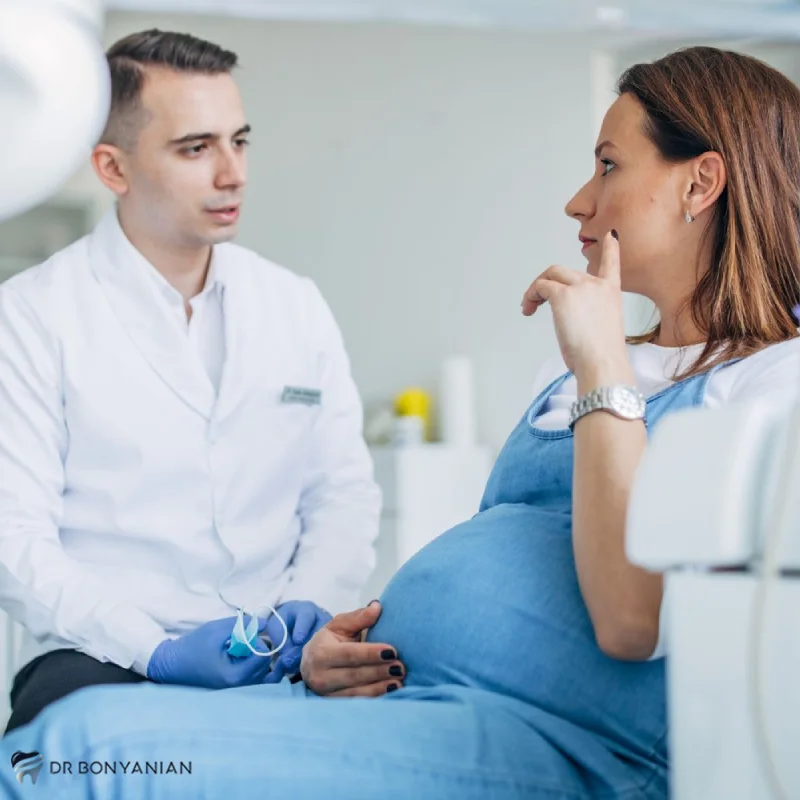
Tooth pain during pregnancy is one of the most common yet stressful experiences for expectant mothers. While you are focused on the health of your fetus, a sudden, throbbing toothache can disrupt your peace and raise concerns about treatment options and their effects on the baby. But is this pain dangerous? And how can it be managed safely? In this comprehensive guide from the Bonyanian Clinic, we will explore the causes of tooth pain during pregnancy and provide safe and effective solutions, from immediate home remedies to necessary dental treatments.
What Causes Tooth Pain During Pregnancy?
During pregnancy, your body undergoes significant changes that can directly or indirectly affect your oral health. Unlike the common belief that the fetus absorbs calcium from the mother’s teeth, the main causes are rooted in hormonal shifts and lifestyle changes. Key factors include:
- Hormonal Changes: Increased levels of hormones like progesterone and estrogen can heighten your body’s reaction to dental plaque, leading to a condition known as “pregnancy gingivitis.” Symptoms include swollen, tender, and bleeding gums, which can cause discomfort and pain.
- Changes in Eating Habits: Cravings for sugary or acidic foods can increase the risk of tooth decay. Frequent snacking without proper brushing allows plaque to build up, attacking the tooth enamel and leading to cavities.
- Morning Sickness and Vomiting: The stomach acid from frequent vomiting can erode tooth enamel, making teeth more sensitive and vulnerable to decay.
- Gag Reflex: Some women develop a sensitive gag reflex during pregnancy, making it difficult to brush their back teeth thoroughly, which can lead to plaque accumulation and cavities.

Does Tooth Pain During Pregnancy Affect the Fetus?
The tooth pain itself does not directly harm the fetus. However, the underlying cause—especially an infection—can pose a risk. A severe tooth infection or abscess can lead to bacteria entering the mother’s bloodstream. This condition, known as bacteremia, could potentially cross the placenta and affect the fetus, increasing the risk of premature labor and low birth weight. Therefore, treating the source of the tooth pain is crucial for both the mother’s and the baby’s health.
Immediate Home Remedies for Tooth Pain During Pregnancy
This section is for symptom relief only and is not a substitute for professional diagnosis and treatment.
While you wait for your dental appointment, some safe home remedies can provide temporary relief from tooth pain:
- Saltwater Rinse: Mix half a teaspoon of salt in a glass of warm water and rinse your mouth for 30 seconds. Saltwater acts as a natural disinfectant and can help reduce inflammation.
- Cold Compress: Apply a cold compress or ice pack wrapped in a cloth to the outside of your cheek for 15-minute intervals. This can help numb the area and reduce swelling.
- Clove Oil: Clove oil contains eugenol, a natural anesthetic. Apply a small amount to a cotton ball and gently place it on the affected tooth. Avoid swallowing the oil.
- Garlic: Crush a clove of garlic to release its allicin, which has natural antibacterial properties. Apply the paste to the painful area for a few minutes before rinsing.
Summary Table of Home Remedies for Tooth Pain During Pregnancy
| Home Remedy Method | How to Use | Important Notes |
|---|---|---|
| Warm Saltwater Rinse | Mix 1/2 tsp salt in 1 cup warm water. Swish for 30 seconds. | Can be repeated several times a day. Helps reduce inflammation. |
| Cold Compress | Wrap an ice pack in a towel and apply to the cheek for 15 minutes. | Reduces swelling and numbs the pain. Do not apply ice directly to the tooth. |
| Clove Oil | Apply 2-3 drops on a cotton ball and place on the tooth. | Use sparingly. Clove oil is a natural anesthetic but can be irritating if overused. |
| Garlic Paste | Crush one clove of garlic into a paste and apply to the affected area. | Has antibacterial properties but can cause a burning sensation. |
When to See a Doctor for Tooth Pain During Pregnancy
Home remedies are only temporary solutions. You should contact your dentist immediately if you experience any of the following:
- Pain that is severe, persistent, or interferes with eating and sleeping.
- Fever or chills, which can indicate an infection.
- Swelling in your face, jaw, or gums.
- A foul taste in your mouth or pus draining from the affected area.
- Difficulty breathing or swallowing.
Prompt professional treatment is essential to prevent complications. For an emergency consultation, you can contact the Bonyanian Clinic at 00982188780962.

Dental Treatment Methods During Pregnancy
Many women worry about the safety of dental procedures during pregnancy, but modern dentistry offers many safe options. The second trimester is generally considered the safest and most comfortable period for necessary dental treatments.
Root Canal During Pregnancy
If the tooth pulp is infected, a root canal is necessary to save the tooth and eliminate the infection. This procedure is safe during pregnancy. Your dentist will use a local anesthetic that does not harm the fetus and will take precautions to ensure your comfort.
Tooth Extraction During Pregnancy
If a tooth is severely decayed or infected and cannot be saved, extraction may be required. This is also a safe procedure during pregnancy when performed with appropriate anesthetics and care.
Dental Fillings During Pregnancy
Treating cavities with fillings is safe and recommended to prevent the decay from worsening. Composite (tooth-colored) fillings are a safe and common choice.
Use of Anesthetics and X-rays
Local Anesthetics: Anesthetics like Lidocaine (Category B) are considered safe as they do not cross the placental barrier. Your dentist will use the appropriate type and dosage.
Dental X-rays: If an X-ray is essential for diagnosis, it is considered safe. The radiation level is extremely low, and your dentist will cover your abdomen and thyroid with a lead apron for maximum protection.
Medication for Tooth Pain During Pregnancy
Medication use during pregnancy must be individualized and supervised by a qualified clinician; do not self-medicate.
For pain management, some over-the-counter medications are safer than others. Acetaminophen (Tylenol) is generally considered the safest pain reliever during pregnancy. However, you should avoid Nonsteroidal Anti-Inflammatory Drugs (NSAIDs) like Ibuprofen (Advil, Motrin) and Naproxen (Aleve), especially in the third trimester, as they can cause complications. Aspirin should also be avoided. If an infection is present, your dentist may prescribe pregnancy-safe antibiotics like Penicillin or Amoxicillin.

How to Prevent Tooth Pain During Pregnancy
Prevention is always the best approach. Follow these tips to maintain excellent oral health throughout your pregnancy:
- Maintain Rigorous Oral Hygiene: Brush your teeth twice a day with fluoride toothpaste and floss daily to remove plaque.
- Schedule Regular Dental Check-ups: Inform your dentist that you are pregnant. Professional cleanings and check-ups are safe and highly recommended.
- Eat a Balanced Diet: Limit sugary and acidic foods. Focus on a diet rich in calcium, phosphorus, and vitamins to support your teeth and your baby’s development.
- Manage Morning Sickness: After vomiting, rinse your mouth with water or a water-and-baking-soda solution to neutralize the stomach acid before brushing. Wait at least 30 minutes to brush to avoid damaging the softened enamel.

Conclusion
Tooth pain during pregnancy should never be ignored. While hormonal and lifestyle changes increase your risk of dental problems, proactive care and safe, timely treatment can protect both your health and your baby’s. By maintaining good oral hygiene, eating a balanced diet, and staying in communication with your dentist, you can navigate your pregnancy with a healthy and pain-free smile. If you are experiencing any dental issues, don’t hesitate to schedule an appointment at the Bonyanian specialist clinic.
Frequently Asked Questions (FAQ)
1. Can I undergo a root canal in the first trimester?
While the second trimester is ideal, emergency procedures like a root canal can be performed at any time during pregnancy to eliminate infection and severe pain. Your dentist will take all necessary precautions.
2. Is teeth whitening safe during pregnancy?
It is generally recommended to postpone cosmetic procedures like teeth whitening until after delivery, as there is insufficient research on the effects of whitening agents on the developing fetus.
3. What is pregnancy gingivitis and is it dangerous?
Pregnancy gingivitis is gum inflammation caused by hormonal changes, resulting in red, swollen, and bleeding gums. If left untreated, it can progress to periodontitis, a more serious gum disease linked to adverse pregnancy outcomes like preterm birth.
4. Can I use any mouthwash for gum pain during pregnancy?
It is best to use an alcohol-free, antiseptic mouthwash. A simple warm saltwater rinse is also a very effective and safe option to soothe inflamed gums.
5. How can I get a dental consultation at the Bonyanian Clinic?
You can schedule an appointment for a check-up or consultation by contacting us at 00982188780962 or 00982188780362. Our team is experienced in providing safe and comfortable dental care for expectant mothers.

Dr. Nazi Bonyanian
Dental Surgeon (DDS) — Medical Council Number: 138662
Graduate of Isfahan University of Medical Sciences with over 15 years of experience in implants, laminates, and oral and dental surgery.
Address: No. 22, Unit 7, West Alley 6, Bokharest Street, Argentina Sq., Tehran, Iran
Phone: +98-21-88539720 | WhatsApp: +98-912-514-2202
Email: info@drbonyanian.com
Working Hours: Sat–Wed 09:00–20:00 | Thu 09:00–14:00 | Friday Closed
⚠️ اطلاعات این صفحه صرفاً برای آگاهی است و جایگزین معاینه و تشخیص تخصصی نمیباشد.
